
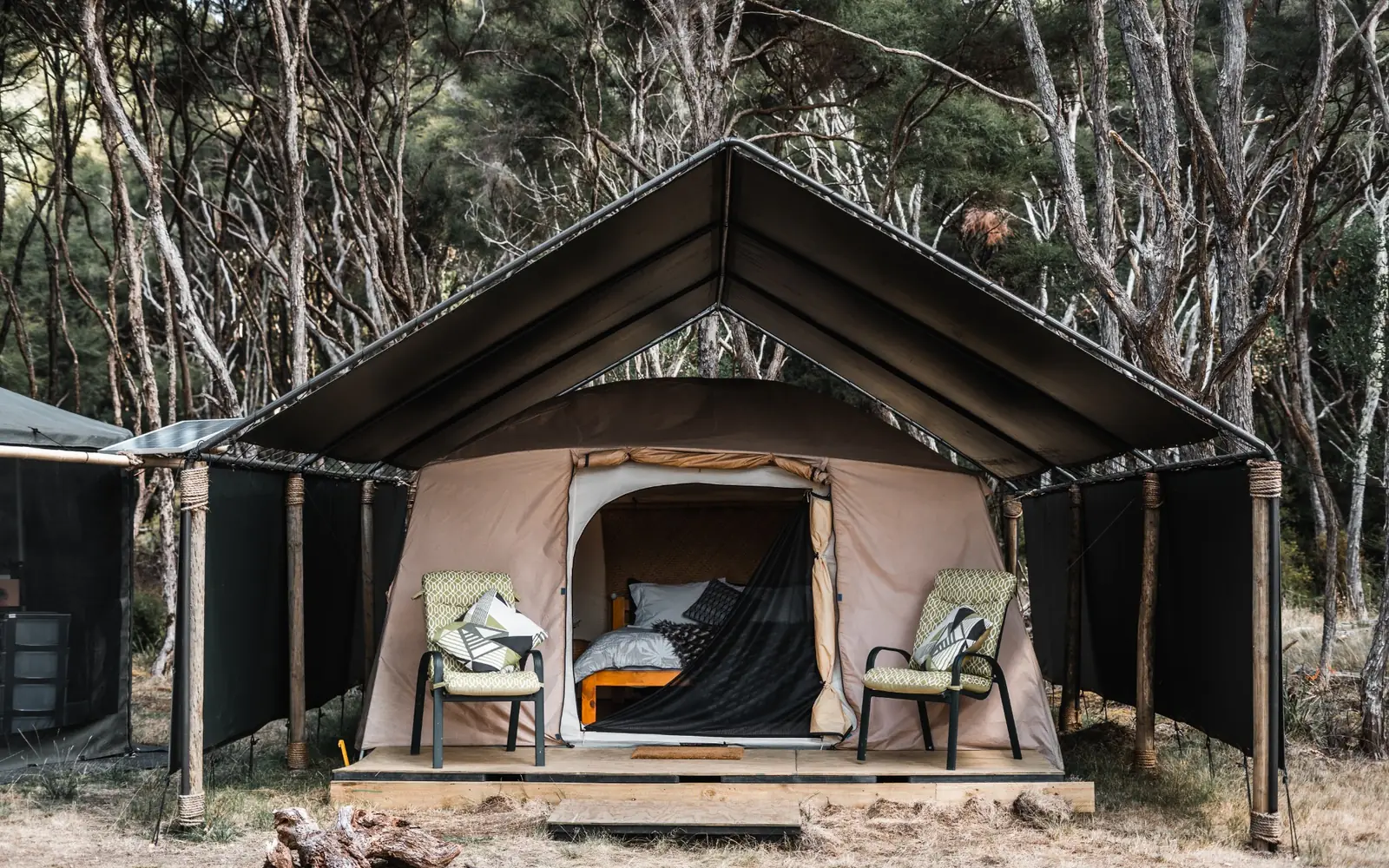
A room described as suitable for four people may still be unsuitable for the way your family needs to sleep. The important questions are where the beds are, how the spaces connect and whether someone must go outside to reach another room. Start with those details before deciding between one family unit and two rooms.
Describe the household before choosing the room
Tell the planner the number of adults and children, the children’s ages at the time of the stay and how you normally prefer to sleep. Mention early bedtimes, different waking times and whether any child needs to be close to an adult overnight.
The room policy and the practical family arrangement both matter. A layout you would like may not meet a property’s occupancy or child rules; a layout the property permits may not suit your supervision needs. Both questions need to be resolved.
Avoid using “family room” as the whole brief. It could mean a shared open-plan room, separate bedrooms within one unit, or a main room with additional beds. Ask for the actual configuration proposed.
Understand the connections between spaces
| Arrangement | Potential advantage | Detail to verify |
|---|---|---|
| One open-plan family room or tent | Everyone is in the same space | Bed spacing, adult privacy and how different bedtimes work |
| One unit with separate bedrooms | More separation while staying together | Whether the internal connection is enclosed and how bathrooms are accessed |
| Interconnecting rooms | Separate rooms with an internal link | A confirmed connecting door, not merely rooms next to each other |
| Adjacent rooms | Rooms close together | Whether going between them means stepping outside |
| Separate rooms elsewhere on the property | Greater separation for appropriate parties | Distance, paths, supervision and property age/occupancy rules |
These are arrangement types, not a list of inventory available at every camp. A floor plan or a precise written description is more useful than a general property photograph.
Think through bedtime in a wildlife setting
The practical test is what happens when one child is asleep and another needs an adult. Can you move between sleeping spaces inside the unit? Does the bathroom require passing through another bedroom? Is there an external doorway between the rooms?
At wildlife accommodation, walking arrangements and escort instructions can affect how separately accessed rooms work. Do not assume that a child can move alone between neighbouring units, or that an open external link functions like a corridor in a city property.
Ask the camp to explain its actual guidance for families. Do not build the plan around informal childcare, an assumed babysitter or an escort being immediately available whenever the family wants to split up.
Allow for teenagers, privacy and shared bathrooms
Older children may value their own sleeping space, but age alone does not settle the question. The property’s rules, room positions and family preferences still matter. Two rooms can work well where the arrangement is permitted and everyone understands how the stay operates.
A family unit can also provide useful separation, depending on the layout. Ask whether bedroom and bathroom doors close, whether washing facilities are shared and whether one person’s early start disturbs the whole unit.
For adults, privacy is a legitimate part of the decision. It should be considered alongside supervision rather than left until arrival. A longer stay makes it especially useful to understand how the room works in ordinary evening and morning routines.
Check beds, belongings and downtime
An additional bed changes more than the occupancy count. Ask what kind of bed is proposed and whether there remains clear space for bags and movement. A room that fits the stated number of people may feel different once safari luggage and camera equipment are unpacked.
If some family members may stay at camp while others go on a drive, ask about the available activities and supervision arrangements. Do not treat a family room as proof that a children’s programme or childcare is included.
Consider where people can spend quiet time without using the sleeping area. A suitable shared sitting space may be valuable, but its availability and relationship to the room need to be checked.
Compare the quoted room basis, not an assumed discount
Children’s accommodation treatment can depend on age, occupancy and room category. Flights, park access and vehicles can have separate charging rules. Do not infer the family total from an adult-sharing package table or assume that a family unit is always cheaper than two rooms.
Ask for the complete family arrangement to be quoted for the actual travellers. The proposal should identify the room type, bed setup, occupancy, meal basis and relevant child conditions. If alternatives are offered, compare those details side by side.
For general accommodation choices, see the accommodation guide. The Family Safaris page explains the broader travel style; this room decision is one part of making that style work.
Send a room brief that can be checked
A useful request says who will occupy each space, which internal connection is essential and whether any person should avoid steps or long paths. Ask for the layout of the proposed category, not a sample from elsewhere in the property.
Once agreed, keep the room arrangement visible in the quotation and confirmation. If the property changes, revisit the family setup as well as the accommodation standard. “Comparable” should preserve the features your family was relying on.
Questions about this decision
Are adjacent and interconnecting rooms the same?
No. Adjacent rooms are nearby; interconnecting rooms have an internal connection. Ask for the actual layout and confirmation of the connecting arrangement.
Can children occupy a separate room?
That depends on the property’s rules, the children’s ages and the agreed family arrangement. It should be confirmed for the specific stay rather than assumed.
Is a family tent always one large room?
No. The label can describe different layouts. Request the number of sleeping spaces, the internal connections and the bathroom arrangement.