
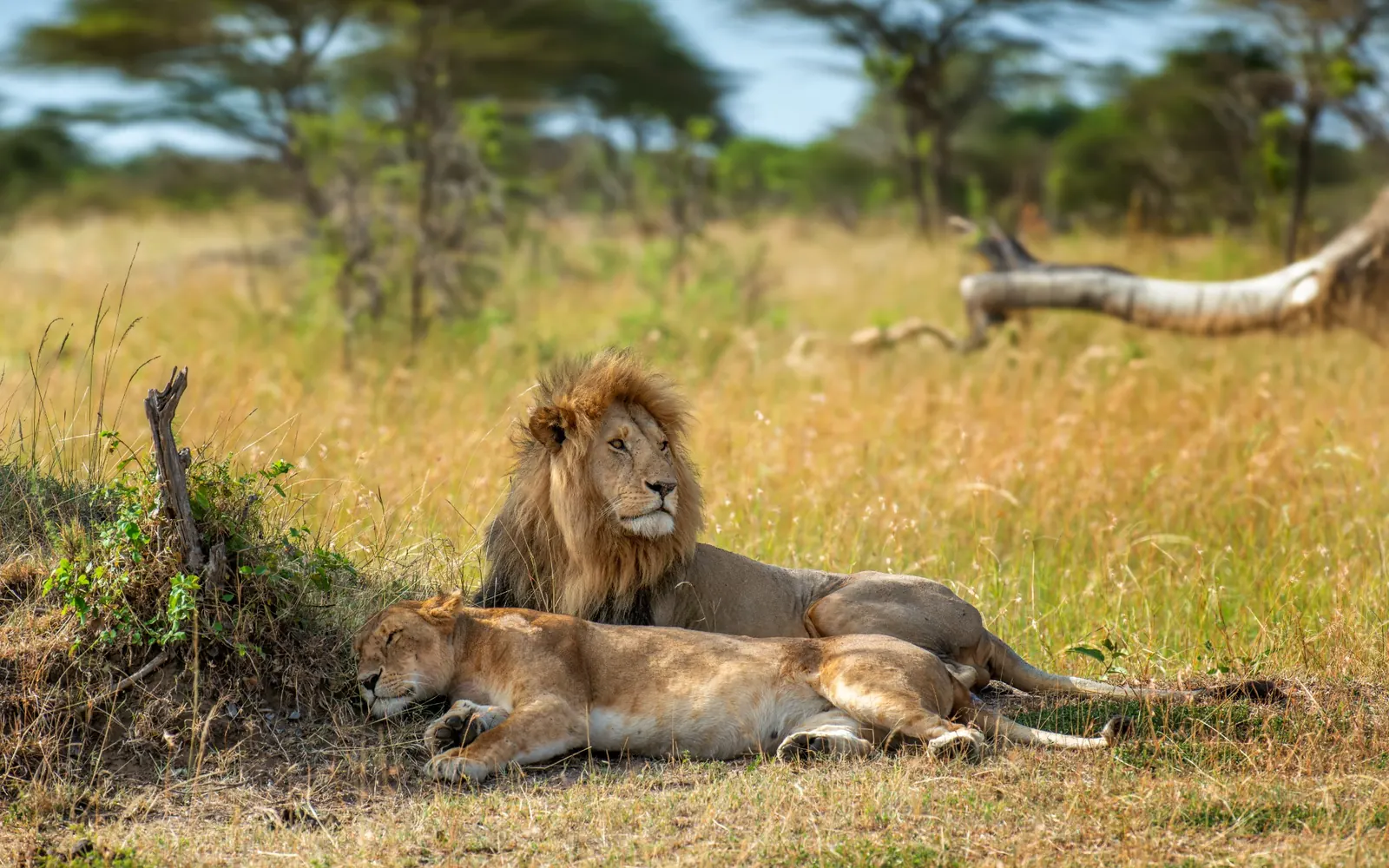
The vehicle has stopped, the animal is resting and nothing dramatic seems to be happening. You can move on, or you can use the pause to notice something that a quicker sighting would miss. A quiet game drive becomes more interesting when you know what to look at and can discuss the pace with your guide. It does not require pretending every empty stretch is exciting.
Be honest about what feels quiet
There are different kinds of quiet. You may see little wildlife, see familiar animals doing ordinary things, or spend more time waiting than you enjoy. Each calls for a different conversation.
If you are seeing little, ask the guide what conditions are shaping the outing and what the available alternatives are. If you are losing interest at one sighting, ask what they are noticing. If the pace is too slow for your party, say so calmly.
Enthusiasm is not an obligation. A traveller can appreciate wildlife and still need a break, a clearer explanation or a different subject. Useful guiding begins with that information rather than an assumption that everyone enjoys the same kind of wait.
Choose one thing to watch
At a sighting, narrow your attention for a few minutes. Follow one animal’s movement, look at the space between individuals, or notice how the subject relates to shade, vegetation and the surrounding ground.
Start with description. “That animal has moved apart from the others” is an observation. A confident claim about its mood or intention may go beyond the evidence. Ask the guide what is known, what is an interpretation and what cannot be established from this view.
You can do this with familiar subjects. A zebra you have already photographed may still provide an interesting observation. Recognition should be a starting point, not the automatic end of your attention.
Ask questions that open the scene
| Instead of only asking… | Try asking… |
|---|---|
| “What will it do next?” | “What are you noticing now?” |
| “How close can we get?” | “What can we see from this position?” |
| “Have we already seen this species?” | “Is this behaviour or setting different from our earlier sighting?” |
| “Why are we still here?” | “What would make staying worthwhile, and when would you move on?” |
| “Where is the next big animal?” | “What other part of this landscape is worth looking at?” |
The point is not to use a rehearsed script. It is to give the guide an opportunity to interpret the present rather than predict a spectacle.
Use binoculars, then put them down
Binoculars can reveal a detail without changing the vehicle’s position. After looking closely, return to the wider scene. The relationship between a subject and its surroundings can be lost when all your attention stays inside a narrow view.
If you are taking photographs, set the camera down occasionally. You may notice a sound, movement or change elsewhere that does not fit the frame you were watching. Equally, a simple field note or sketch can help you pay attention without needing more equipment.
Work within the guide’s instructions and the vehicle arrangement. Observation is not a reason to stand, lean out or leave the vehicle when that is not appropriate.
Agree when the wait has done enough
Staying longer does not make an event due to happen. A resting animal may remain resting; a distant herd may remain distant. Discuss a reasonable point at which to reassess the sighting rather than continually extending it because of the time already invested.
The party’s comfort matters. Heat, tiredness, hunger and children’s needs can change how a quiet period feels. A shorter outing with an attentive group may work better than a long one in which everyone is waiting for it to end.
On a shared drive, preferences need to be balanced across the guests. With an exclusive vehicle, there may be more flexibility to follow your party’s pace, within the agreed activity scope and local rules.
A quiet stretch can be part of a good day
Avoid judging every hour separately. An outing has travel between observations as well as the observations themselves. Some periods will have less to see, and the guide cannot remove that natural variation.
You can decide that a particular stop was worthwhile because you understood something better, not because it delivered a photograph. You can also decide to return to camp. Neither choice needs a story about the wildlife reward you will receive for being patient.
The first-safari guide helps set expectations for the day. If control over pace is particularly important, explore the private safari approach and explain how you prefer to spend time at sightings. The most useful brief describes your interests and limits, rather than demanding constant action.